

Newborn Essentials Malaysia (2026): A Realistic Checklist for the First 3 Months
Quick answer: Most first-time parents in Malaysia do not need more baby things. They need the right basics for feeding, sleep, diapering, bathing, travel and recovery. Start with essentials you will use in the first 3 months, then add extras only after you know your baby and routine better.
This checklist is built for realistic local use: hot weather, small homes, frequent car travel, daily errands, and the fact that some “must-have” baby products barely get used once the baby arrives.
| Category | Must have | Nice to have | Realistic quantity guide |
|---|---|---|---|
| Feeding | Bottles if needed, burp cloths, nursing basics | Bottle warmer, steriliser extras | 4 to 8 bottles, 6 to 10 muslins or burp cloths |
| Sleep | Safe sleep space, fitted sheets, swaddles or sleep sacks | Monitor, rocker, white-noise extras | 2 to 3 fitted sheets, 2 to 4 swaddles |
| Diapering | Newborn diapers, wipes, changing mat, rash cream | Fancy organisers and bins | 2 to 3 packs of diapers to start, plenty of wipes |
| Bath and grooming | Baby wash, towels, nail care basics | Dedicated bathtub if sink setup works | 2 towels, basic grooming kit |
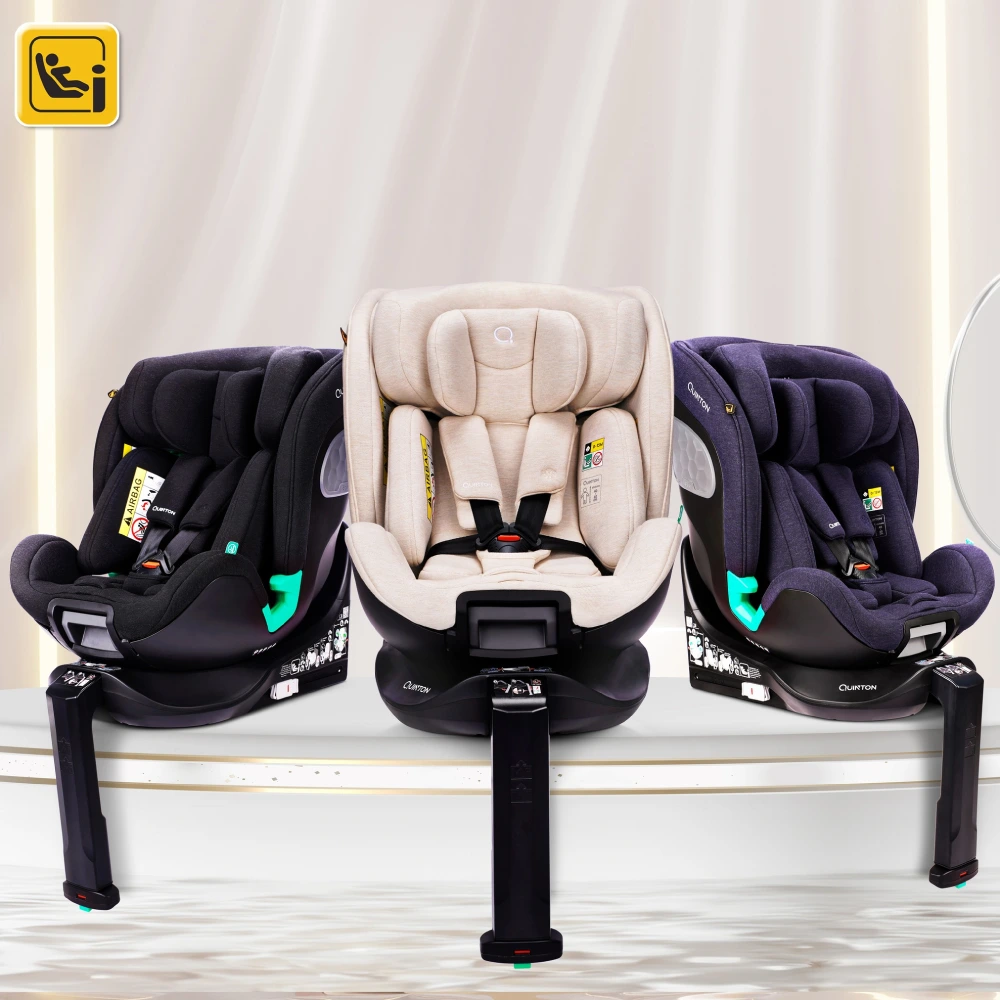
| Travel | Car seat, diaper bag | Stroller from day one for every family | One car seat, one practical bag |
| Clothing and home | Bodysuits, mittens, socks, muslins | Too many newborn outfits | 6 to 8 bodysuits, 6 to 10 muslins |
Simple rule: buy for the first three months first. Many “best baby products” become useful later, but they are not true newborn essentials on day one.
If you are preparing for a newborn, it is easy to overbuy. The real goal is not buying everything. It is buying the right essentials for feeding, sleep, diapering, travel and recovery without wasting money on items you may barely use. This newborn essentials Malaysia checklist focuses on what most families actually need in the first 3 months, with realistic categories, useful quantities, and a practical local lens for weather, small homes and daily routines.
The most useful newborn list is usually boring in a good way. It covers daily basics, limits duplicate purchases, and leaves room for your baby’s actual preferences. That matters because some babies take bottles easily, some do not. Some families need a stroller immediately, while others use a carrier more often at the start. Some homes need compact gear because space runs out fast.
- Must have: items needed for safety, feeding, sleep, hygiene, or transport in the first weeks.
- Nice to have: items that are helpful but not urgent before the baby arrives.
- Can wait: products linked to solids, bigger routines, or preferences you cannot predict yet.
Before buying: think about whether you are breastfeeding, how much storage space you have, whether you use the car daily, and whether your family will help with gifts or hand-me-downs. Those factors change your checklist more than generic “top 10 baby products” lists do.
What do you actually need for a newborn in Malaysia?
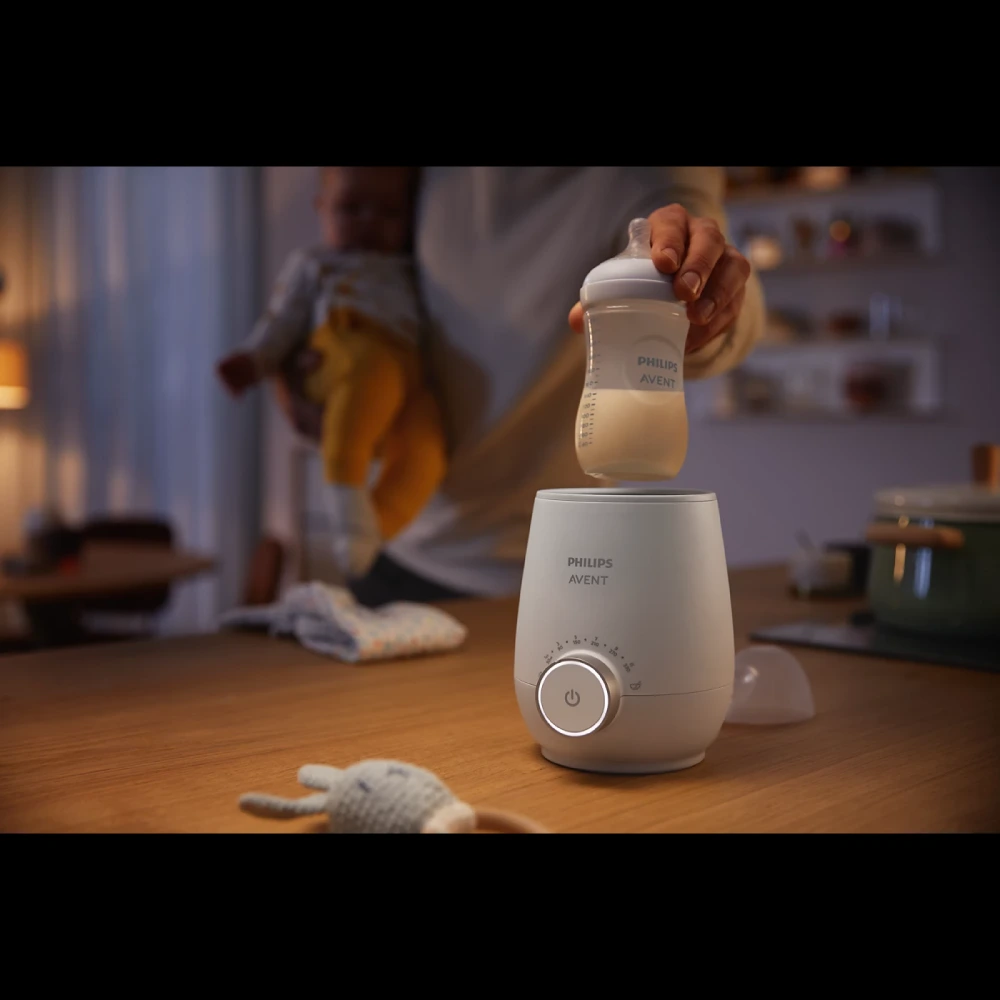
For the first three months, most families need fewer categories than they expect. Focus on feeding, a safe sleep setup, diapering, basic bath and grooming items, one reliable travel plan, and enough clothes and muslins to survive frequent laundry.
- Must-have from day one: diapers, wipes, sleep space, feeding setup, baby clothes, towels, nail care basics, one safe transport option
- Usually optional at the start: food makers, large toy collections, too many outfits, expensive organisers, duplicate gear in every room
- Best mindset: buy the essentials first, then fill gaps after two to four weeks of real use
Feeding essentials
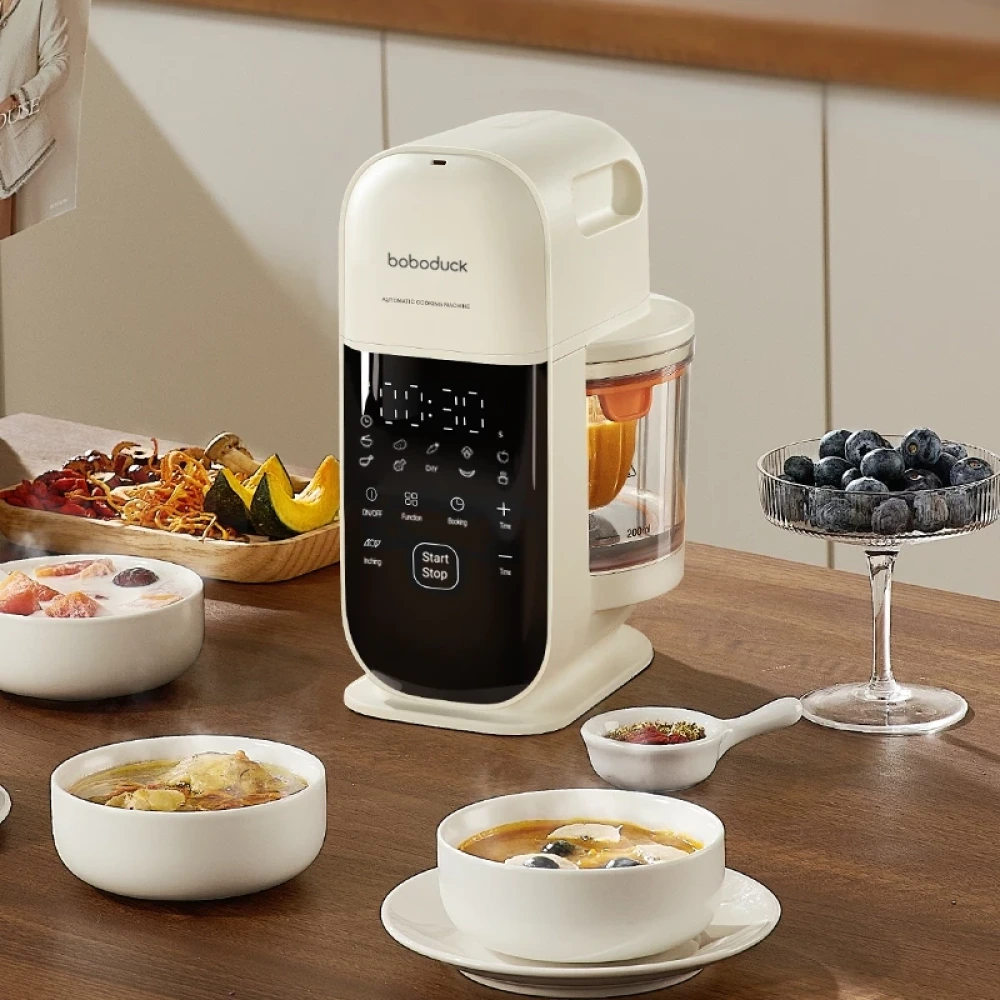
Feeding purchases depend heavily on whether you breastfeed, bottle-feed, pump, or mix-feed. That is why feeding can become one of the easiest categories to overspend on. Start with what supports the first few weeks, not an entire feeding station.
Useful feeding essentials:
- 4 to 8 bottles if bottle-feeding or mixed feeding is likely
- 6 to 10 muslins or burp cloths
- Nursing pads, nipple cream, and a practical feeding pillow if relevant
- A bottle brush and simple drying setup
Nice to have: a bottle warmer can help, but it is not mandatory before the baby arrives. Start simple and add convenience tools later if your routine proves you need them.
Sleep essentials
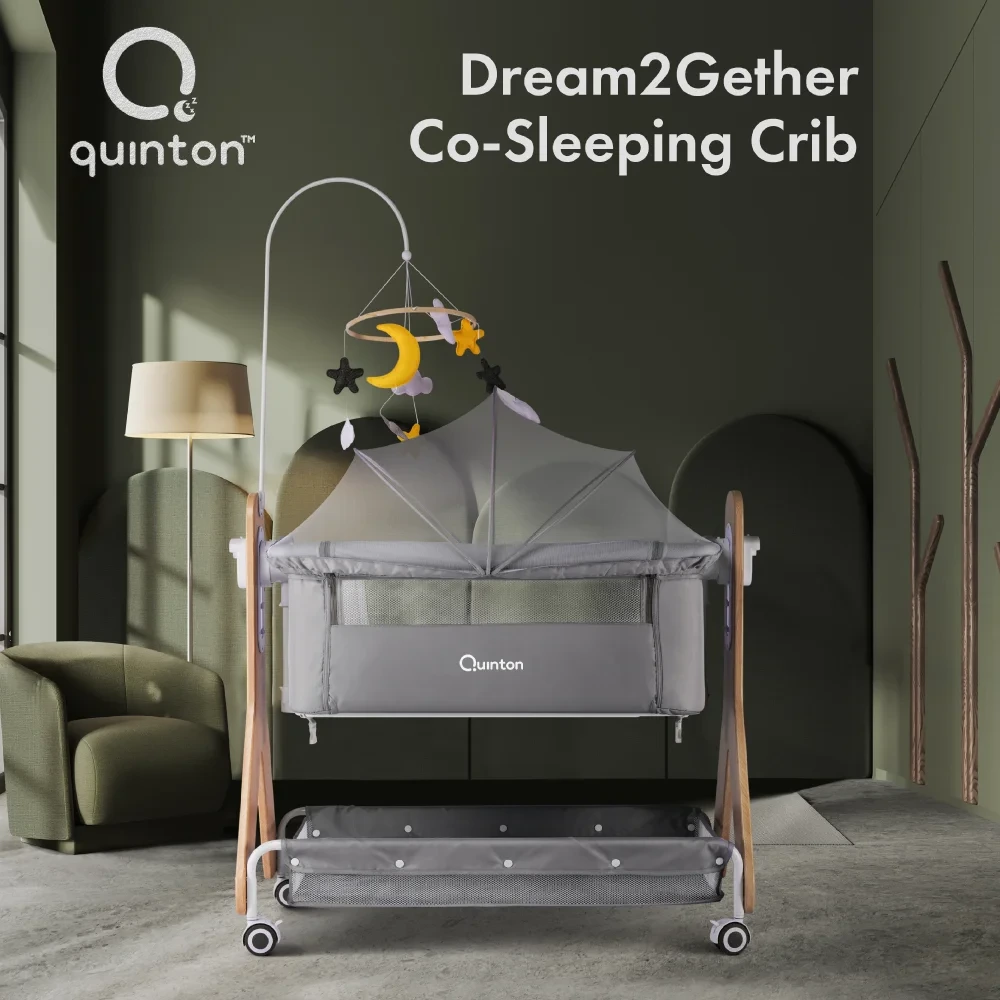
The best sleep setup is safe, simple, and easy to maintain. You do not need a fully styled nursery to handle the newborn stage well. You need a safe cot, crib, bassinet, or side-sleeper setup with enough sheets and swaddles to stay practical through spit-ups and messy nights.
- Must have: one safe sleep space, 2 to 3 fitted sheets, 2 to 4 swaddles or sleep sacks
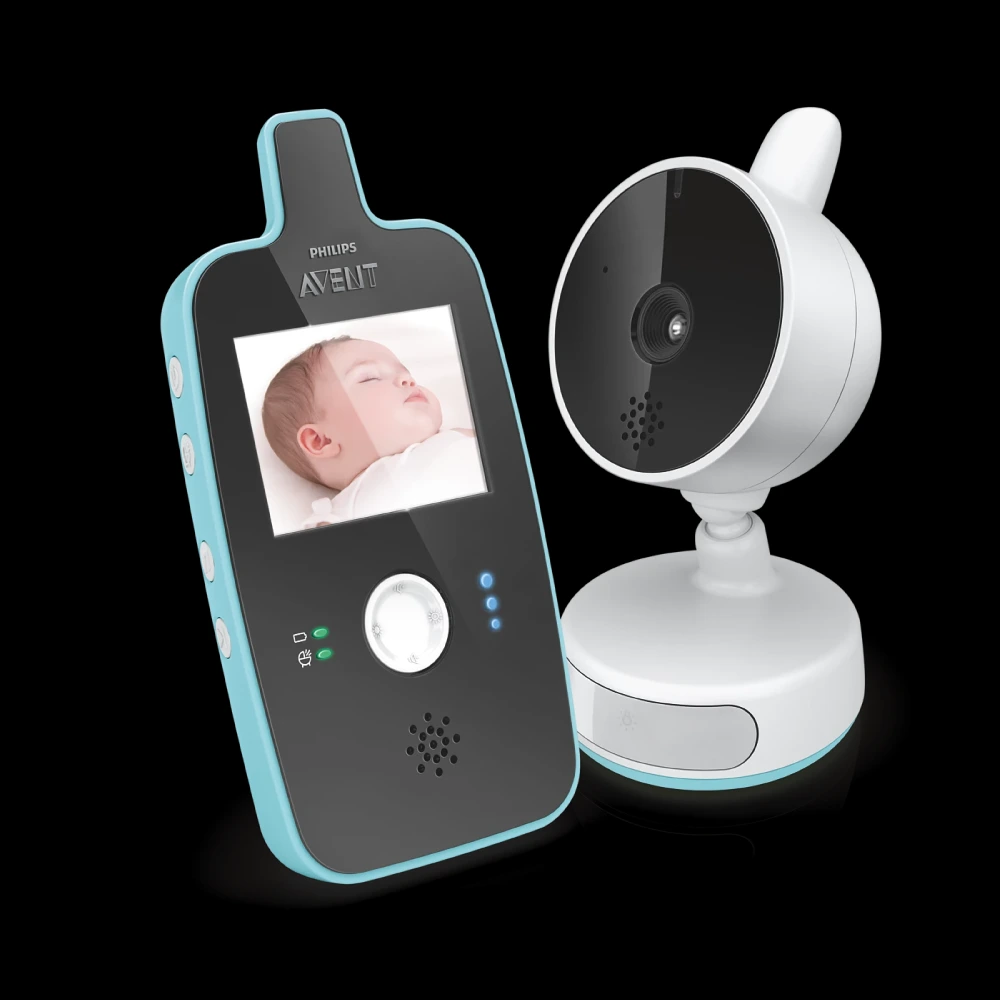
- Nice to have: monitor, night light, white-noise machine
- Malaysia note: breathable fabrics and lighter sleep layers matter in warm weather more than heavy bedding
Keep this category simple. Safe sleep matters more than decorative add-ons.
Diapering essentials
Diapering is one of the few categories you will use constantly from the start, so it is worth setting up well. The essentials are straightforward: diapers, wipes, a rash cream, and a surface that makes changing easier.
- Must have: newborn diapers, wipes, changing mat, diaper cream
- Useful quantity: start with a few packs rather than a huge stockpile in case sizing changes quickly
- Nice to have: caddies and bins are convenient but not urgent
The practical goal is speed and cleanliness, not an elaborate setup.
Bath and grooming essentials
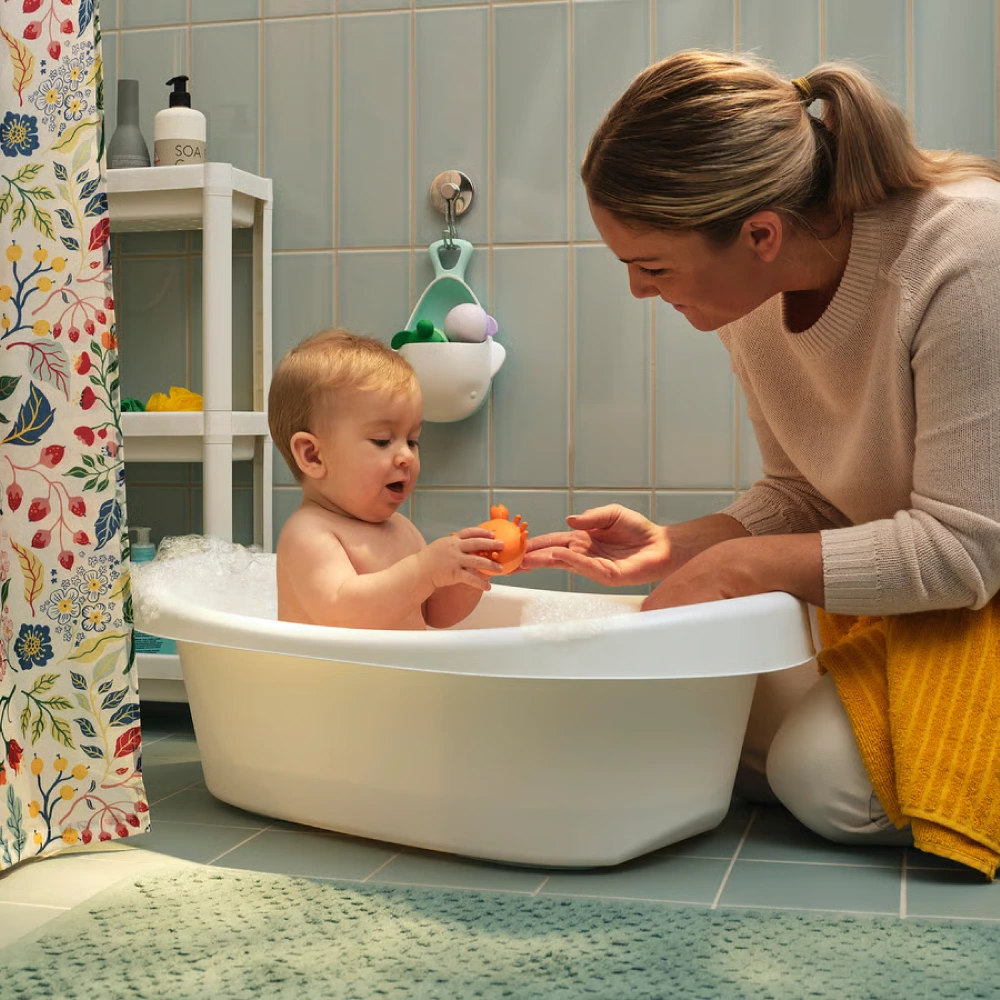
Bath time does not need a long shopping list. A few safe basics will cover most families well in the first months.
- Must have: gentle baby wash, 2 towels, soft washcloths, nail care basics
- Can help: a dedicated baby bathtub if your space makes it easier
- Can wait: too many grooming accessories or duplicate bath products
Keep this category compact and easy to store, especially if you do not have a large bathroom setup.
Travel essentials
Travel essentials for a newborn are mostly about safety and realistic movement. A car seat is the non-negotiable purchase if you drive. A stroller may or may not be urgent in the first weeks depending on your lifestyle, but a reliable transport plan matters early.
- Must have: one safe car seat if you use the car, one diaper bag that is easy to carry
- Maybe urgent: stroller if you plan frequent outings, clinics, malls, or daily walks
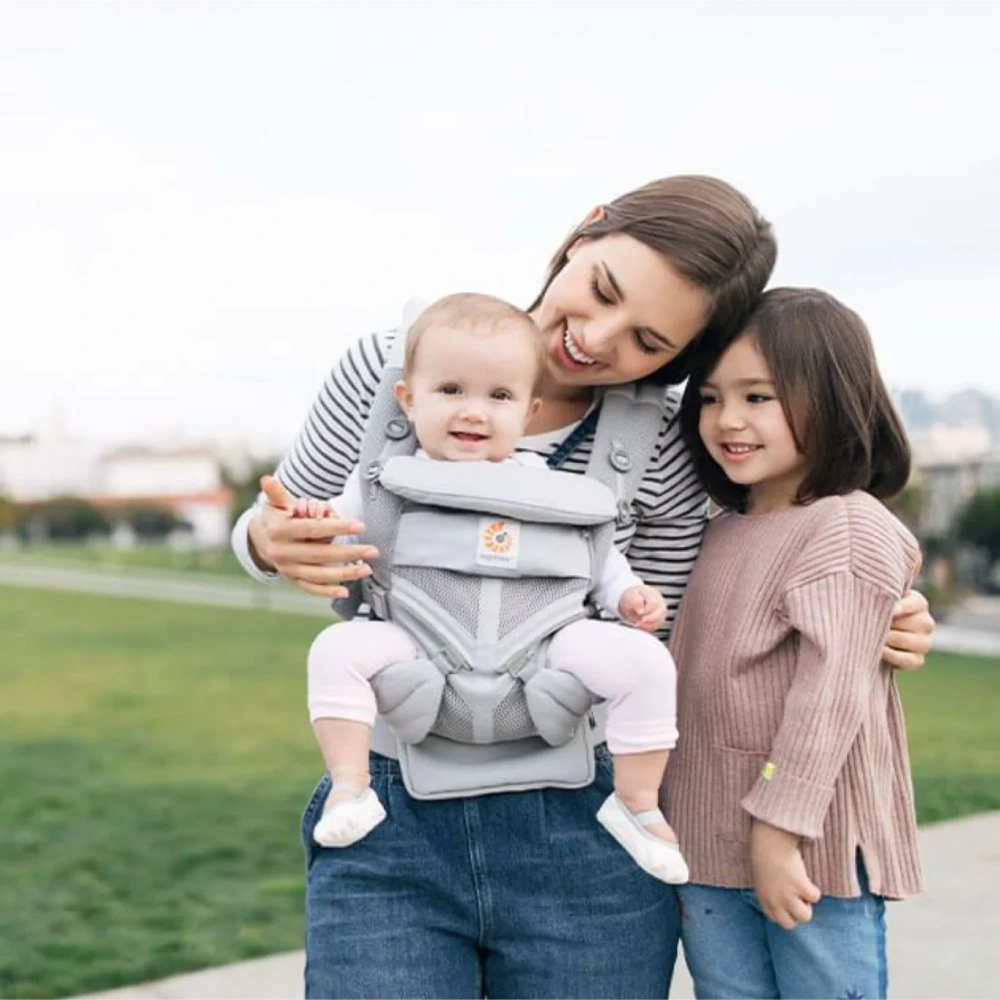
- Maybe better first: baby carrier if you expect shorter trips and want hands-free convenience
If you need help choosing the bigger travel purchases, compare our baby car seat guide and stroller guide before overspending.
Clothing and home essentials
This category is where many parents overbuy fastest. Newborns usually need repeat basics, not a huge wardrobe.
- Useful starting quantity: 6 to 8 bodysuits, 6 to 10 muslins, a few mittens and socks, 2 to 3 crib sheets
- Best approach: buy comfortable basics that wash well
- Can wait: lots of newborn-sized outfits and heavily decorative extras
In warm weather, breathable fabrics matter more than piling on layers.
What can wait until later
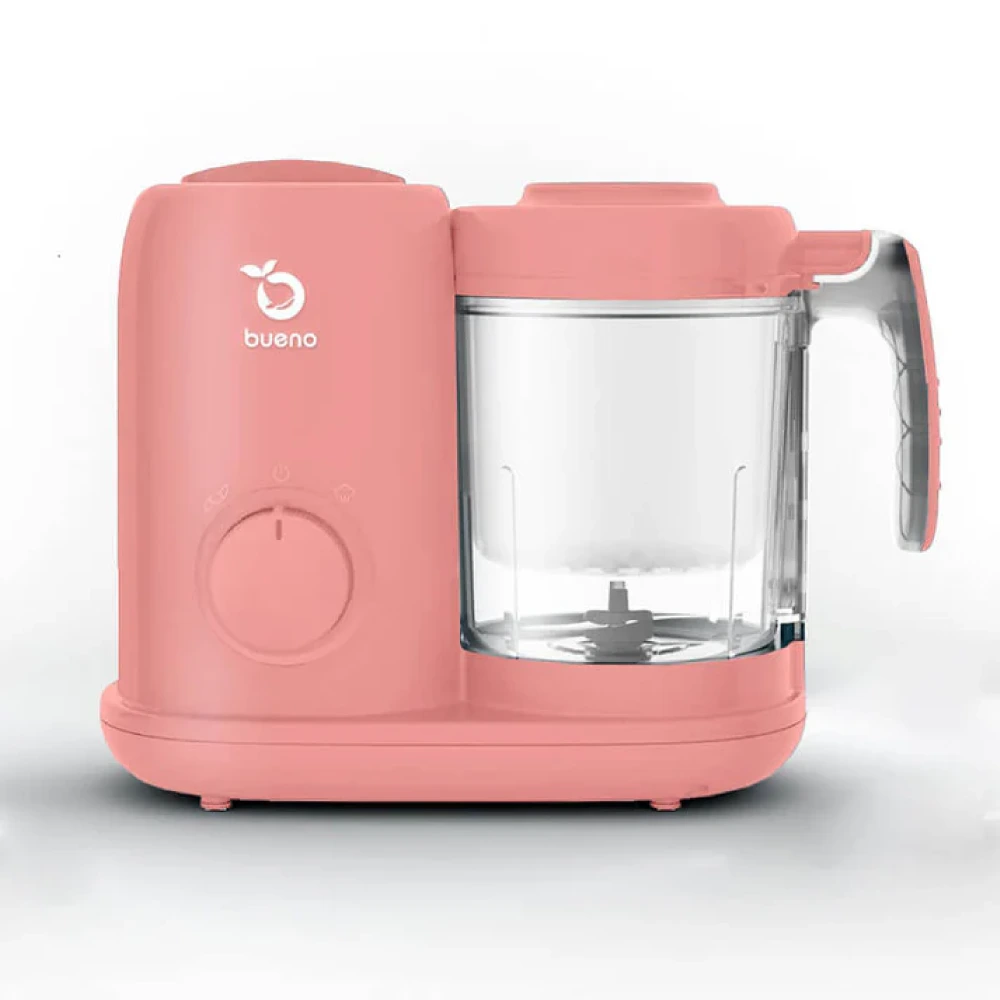
Some baby products sound essential because they are marketed well, not because they are urgent in the newborn stage.
- Often can wait: baby food makers, porridge makers, large toy sets, advanced feeding accessories, duplicate gear for every room
- Why: solids come later, routines change, and many purchases make more sense once you know your baby’s preferences
- Better strategy: keep a shortlist of later-stage items instead of buying them before birth
Newborn essentials budget guide in Malaysia
Your newborn essentials budget can vary a lot depending on whether you receive gifts, use hand-me-downs, or choose premium gear. The practical goal is not a perfect number. It is knowing where the money actually needs to go first.
- Feeding basics: roughly RM100 to RM600 depending on your feeding setup
- Sleep setup: roughly RM250 to RM1,200 depending on cot or bassinet choice
- Diapering and hygiene: roughly RM150 to RM500 to get started
- Travel: can swing widely depending on whether you buy only a car seat or add a stroller too
- Clothing and home basics: roughly RM150 to RM400 for a practical starting set
A smart first budget usually prioritizes safety, feeding, sleep, and diapering before any convenience gear.
Frequently asked questions about newborn essentials in Malaysia
What are the true must-have newborn essentials?
The true essentials are a feeding setup, a safe sleep space, diapers and wipes, basic bath and grooming items, enough clothes and muslins, and a safe transport plan.
How many newborn clothes do I need?
Most families can start with around 6 to 8 bodysuits and a small set of socks, mittens, and sleepwear. You usually do not need a large wardrobe because babies outgrow sizes quickly.
What baby items are unnecessary at the start?
Food makers, lots of duplicate accessories, too many newborn outfits, and convenience gear you have not yet proven you need can usually wait.
What should first-time parents buy before the baby arrives?
Buy what supports feeding, sleep, hygiene, and safe travel first. Those categories matter more than decorative or later-stage purchases.
How much do newborn essentials cost in Malaysia?
It depends heavily on brand choices and whether you already have gifts or hand-me-downs, but a practical essentials-first budget is usually much lower than an everything-at-once shopping list.
Start with essentials, not everything
The best newborn checklist is the one that makes your first weeks calmer, not more crowded. Start with the items you will use every day, leave room for gifts and hand-me-downs, and add convenience products only after you know what your baby and family routine actually need.