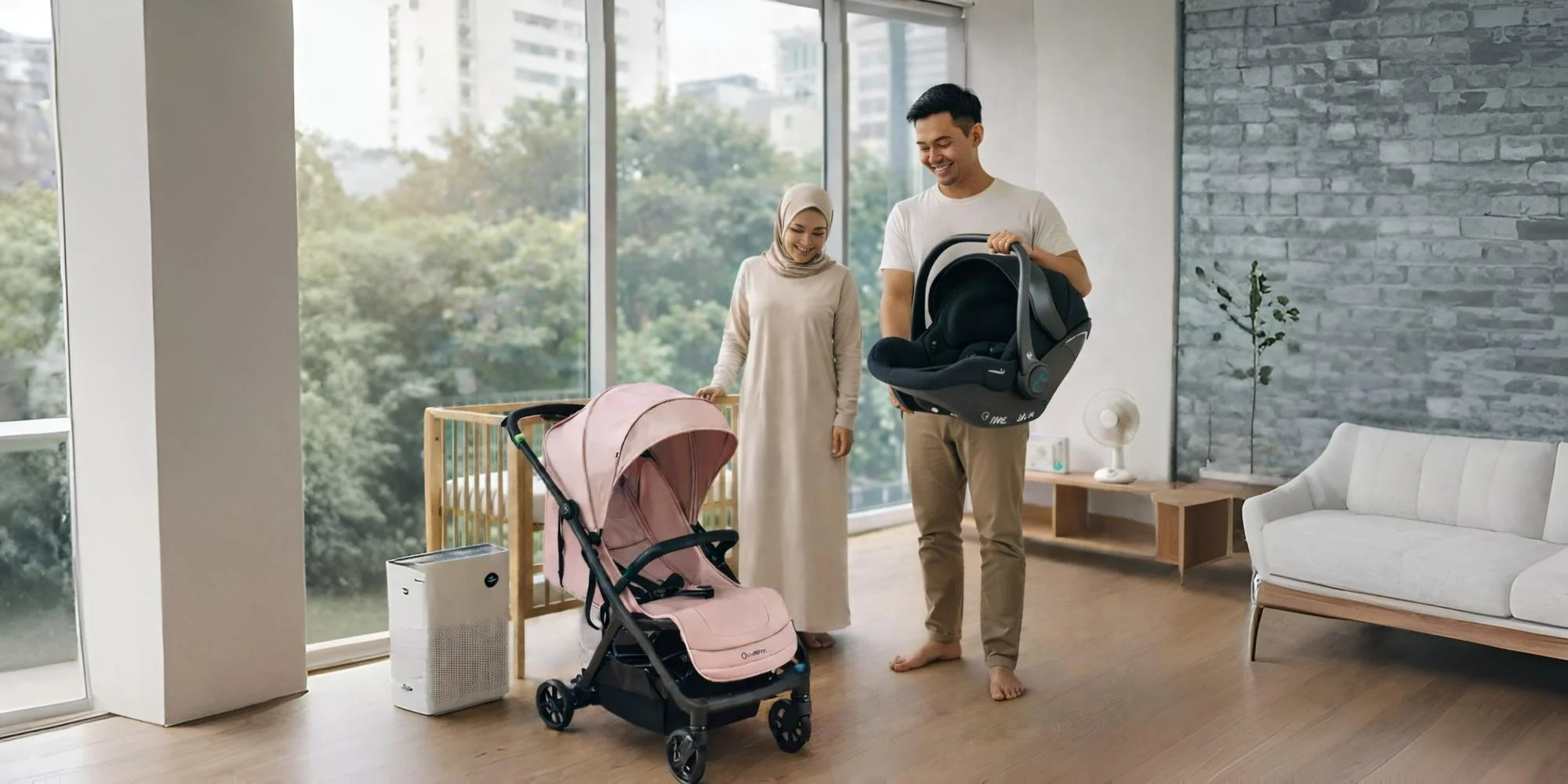
baby products worth buying

What Baby Products Are Actually Worth Buying in Southeast Asia

When you become a parent, the list of “must-have” items suddenly feels endless. Strollers, monitors, feeding gadgets, toys—every store promises items that will make life easier, safer, or more enjoyable. But in reality, not every item is worth your time, money, or space. Parents in Southeast Asia, from the bustling streets of Kuala Lumpur and Singapore to the busy neighborhoods of Jakarta, face unique challenges that determine which baby products are actually worth buying.

This guide will help you cut through the noise. We’ve gathered insights from parents across the region to highlight the baby products worth buying, focusing on what truly helps in daily life. Whether you’re navigating crowded streets, small apartments, or tropical weather, these essentials will make parenting smoother — without overwhelming your home or budget.

By the end of this article, you’ll have a clear picture of which items are indispensable, which ones are optional, and which products parents wish they’d skipped entirely. Let’s get started.

Table of Contents

The Most Overhyped Baby Items

Not everything on the market lives up to the hype. Some items are purchased once — and never touched again. Common examples include:

  • Expensive single-purpose gadgets: Devices that promise convenience but only serve one function. For example, an automatic formula mixer that only works for a specific brand of formula, or a high-tech baby swing that your child may never actually enjoy.
  • Elaborate feeding tools: Some high-tech bottle warmers or baby food processors rarely get consistent use. A good example is an all-in-one baby food processor that promises to steam, blend, and puree — many parents find it easier to simply use a simple blender or steam vegetables manually.
  • Overly specialized clothing or accessories: Seasonal items that don’t match the local climate or lifestyle. For instance, thick winter snowsuits or bulky fleece sleepers are largely unnecessary in tropical countries like Malaysia, Singapore, and Indonesia, where lightweight breathable fabrics are much more practical.

Before buying, it’s essential to ask: “Will this actually simplify daily life, or just take up space?”

Essentials Parents Actually Use

Across Malaysia, Singapore, and Indonesia, parents often rely on these items:

  1. Diapers and wipes
    Reliable, affordable, and universally necessary — sometimes worth investing in eco-friendly or premium brands for convenience.
    Example: Pampers Premium Care for sensitive skin or Huggies Natural Care wipes for gentle cleaning.

  2. Convertible strollers
    Multi-purpose strollers that adapt to growing babies are preferred over single-use models, especially in urban environments where space and convenience are key. Example: The On The Go stroller from Quinton Baby is a parent-favorite for its auto-fold system and compact size, making it perfect for navigating malls or hopping into a Grab.

  3. Safety gear
    Baby gates, outlet covers, and reliable carriers are crucial for safety and mobility, particularly in high-rise apartments or when traveling. Example: For parents on the move, the Noar carrier from Muwababy offers a safe, ergonomic way to keep your newborn close while keeping your hands free for daily tasks.

  4. Sleeping essentials
    Cribs, swaddles, and baby monitors are heavily used and reduce parental stress.
    Example: BabyBjörn Cradle, Muslin swaddles from Aden + Anais, or Motorola baby monitors.

  5. Feeding basics
    Bottles, bibs, and simple feeding utensils — nothing fancy, just functional and easy to clean.
    Example: Philips Avent bottles, silicone bibs from Munchkin, or simple baby spoons and bowls.

Parents frequently report that simplicity and versatility matter more than brand or gimmicks.

How to Decide Before Buying

Choosing the right baby products doesn’t have to be stressful. Parents in Southeast Asia recommend:

  • Community input: Local parenting groups and forums offer honest reviews and practical advice.
  • Budget vs. necessity: Don’t get swayed by marketing; focus on items that actually improve daily life.
  • Climate and lifestyle fit: Lightweight, breathable items for tropical weather, compact strollers for urban commuting, and foldable gear for small apartments.

Following these principles helps parents invest in products they will genuinely use — and enjoy.

Regional Considerations

Southeast Asia presents unique challenges for parenting:

  • Tropical climate: Breathable clothing, sun protection, and ventilation-friendly gear matter
  • Public transport: Compact, foldable strollers and carriers are easier for commuting
  • Local availability: Certain products are easier to source in Malaysia or Singapore, while Indonesia may require online ordering

Choosing products that fit the environment and lifestyle makes them more likely to be consistently used.

Insider Tips from Parents

Parents often share that the best purchases are:

  • Multi-use gear that grows with the child
  • Items that reduce day-to-day stress rather than add novelty
  • Products that can be shared or resold within the community

This advice is particularly valuable for first-time parents, who are often tempted by marketing rather than practical utility.

Choosing baby products can feel overwhelming, but it doesn’t have to be. By focusing on essentials, practicality, and community advice, parents can make smart decisions that truly help daily life. For a curated list of top-rated essentials, check out our Smart Buys page to see more recommended products.

We’d love to hear from you: which baby products have been indispensable for your family? Share your recommendations in the comments — your experience could help another parent make the right choices.

Scroll to Top